Day-to-Day Activities of DevOps Engineers

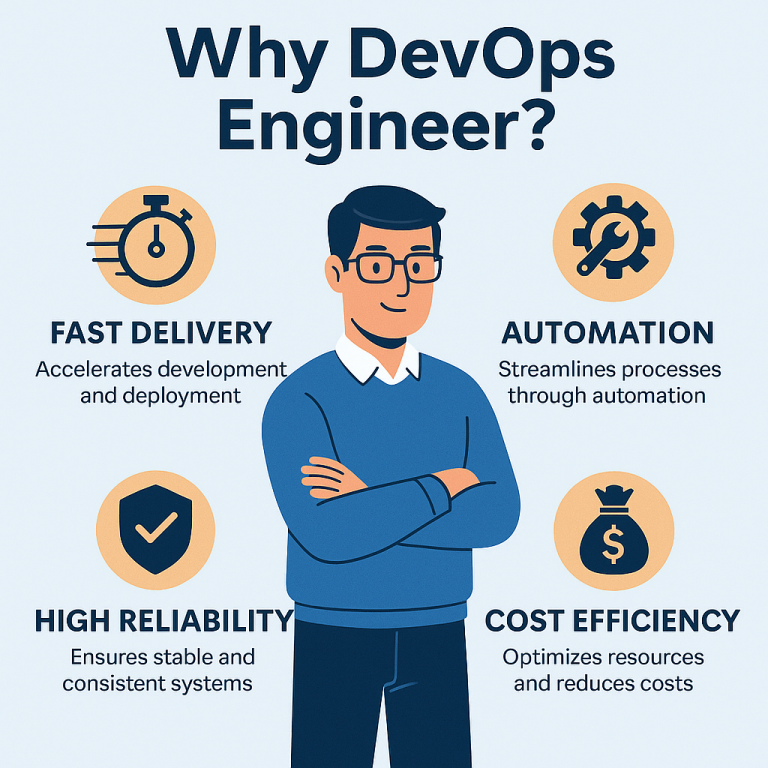
In today’s fast-paced tech world, DevOps engineers play a crucial role in bridging the gap between software development and IT operations. Their focus is on automating and improving processes, ensuring collaboration, and delivering software at a faster pace without compromising quality. Below is a breakdown of a typical DevOps engineer’s day-to-day activities:
1. Monitoring and Incident Management
DevOps engineers are responsible for keeping a close eye on system performance and infrastructure. They use monitoring tools to track server health, uptime, and the performance of applications and services. If issues arise, they investigate and quickly implement fixes to ensure that the systems are running smoothly. Proactive monitoring helps reduce downtime and improves user experience.
Tasks Include:
- Checking logs for system errors
- Reviewing dashboards for performance issues
- Resolving alerts from monitoring tools (e.g., Datadog, New Relic)
- Managing incident response and troubleshooting issues
2. Infrastructure Management and Automation
A key responsibility of DevOps engineers is to maintain and manage the infrastructure. They automate manual processes through Infrastructure as Code (IaC) tools like Terraform, Ansible, or CloudFormation. This automation ensures that the infrastructure is consistent, scalable, and reliable.
Tasks Include:
- Writing and maintaining scripts for server provisioning
- Managing cloud resources (AWS, Azure, Google Cloud)
- Automating scaling and load balancing processes
- Updating infrastructure configurations to optimize performance
3. Continuous Integration/Continuous Deployment (CI/CD) Pipelines
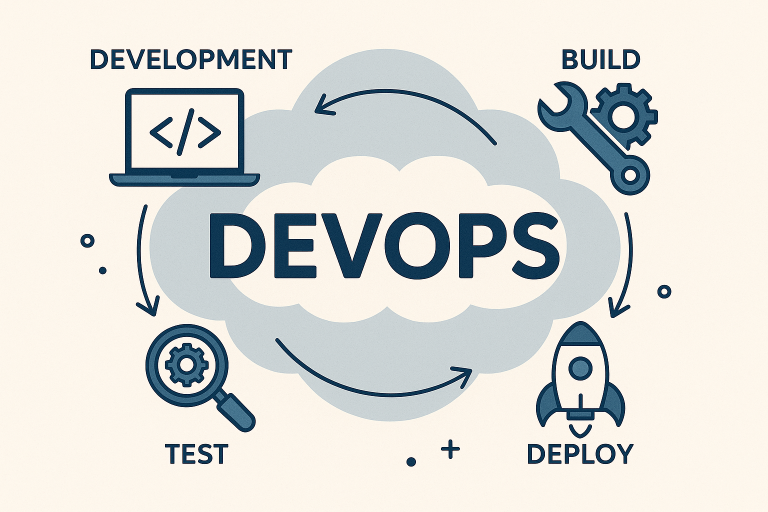
DevOps engineers set up and manage CI/CD pipelines to automate the process of code integration and delivery. They ensure that new code commits automatically trigger builds, tests, and deployments. This helps in shortening the software release cycle and ensures that the code is always in a deployable state.
Tasks Include:
- Managing version control systems (e.g., Git, GitHub)
- Setting up and maintaining CI/CD pipelines (e.g., Jenkins, GitLab CI)
- Ensuring automated tests are part of the deployment process
- Implementing security checks in the pipeline
4. Collaboration with Development and Operations Teams
A significant part of a DevOps engineer’s role is to collaborate with both the development and operations teams. By breaking down silos, DevOps engineers ensure smooth communication between developers who write the code and IT operations teams that manage the deployment infrastructure. They provide support in the form of advice on best practices for deployment, monitoring, and troubleshooting.
Tasks Include:
- Participating in stand-up meetings with developers
- Reviewing code changes and suggesting improvements
- Assisting in creating deployment strategies
- Collaborating on post-deployment reviews
5. Security and Compliance
DevOps engineers ensure that security practices are integrated into the development and deployment pipeline, known as DevSecOps. They use automation to enforce security policies, conduct vulnerability assessments, and perform security patching to safeguard systems from cyber threats.
Tasks Include:
- Implementing security practices in the CI/CD pipeline
- Automating vulnerability scanning and penetration testing
- Managing access controls and authentication mechanisms
- Ensuring compliance with industry standards (e.g., HIPAA, GDPR)
6. Version Control and Documentation
Managing code changes and maintaining version control is a critical part of a DevOps engineer’s job. They use version control tools like Git to track changes and collaborate with team members. They also maintain detailed documentation to ensure that infrastructure setups and processes are clear and easy to follow.
Tasks Include:
- Ensuring proper use of version control systems (e.g., Git)
- Documenting infrastructure configurations and processes
- Reviewing pull requests and providing feedback
- Updating documentation based on infrastructure changes
7. Performance Optimization
DevOps engineers regularly analyze the performance of applications and infrastructure to identify potential bottlenecks. They optimize the code, databases, and server configurations to improve the overall performance, scalability, and reliability of the system.
Tasks Include:
- Conducting performance testing and load testing
- Analyzing server performance metrics (e.g., CPU usage, memory usage)
- Identifying and eliminating performance bottlenecks
- Recommending or implementing scaling strategies
8. Learning and Staying Updated
Given the fast-evolving nature of technology, DevOps engineers spend a portion of their time learning about new tools, technologies, and best practices. This continuous learning ensures they are up to date with the latest industry trends and can apply new innovations to their work.
Tasks Include:
- Reading blogs like ours one, articles, and research papers on DevOps tools and practices
- Attending webinars, conferences, and meetups
- Experimenting with new technologies and tools
- Participating in training programs and certifications
Conclusion
The day-to-day activities of a DevOps engineer are dynamic and multifaceted. From ensuring system uptime and managing infrastructure to collaborating with development teams and optimizing performance, DevOps engineers are essential in helping organizations deliver high-quality software quickly and efficiently. Their role continues to evolve, and with the right tools, skills, and mindset, they play a vital part in driving technological success.